Description
“These Statements Have Not Been Evaluated By The Food And Drug Administration.
This Product Is Not Intended To Diagnose, Treat, Cure Or Prevent Any Disease.”
Product Specifications
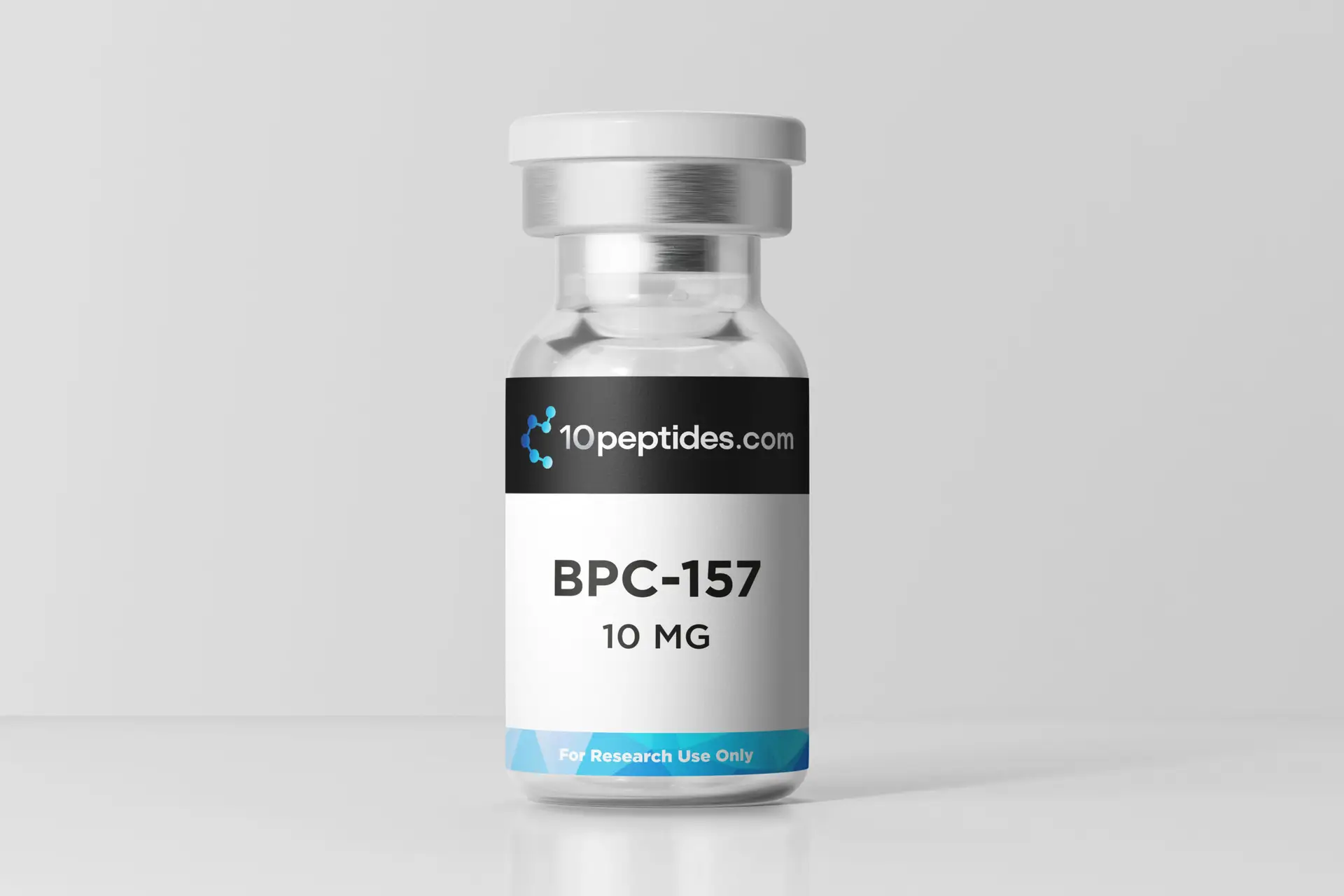
- Product Name BPC 157
- Peptide Type Synthetic pentadecapeptide (15 amino acids)
- CAS Number 137525-51-0
- Molecular Weight ~1419.56 g/mol
- Purity ≥99% (HPLC verified)
- Solubility Water soluble
- Form Lyophilized powder
- Storage −20°C, protected from light & moisture
Disclaimer
For Research Use Only (RUO)
Description
What Is BPC 157 and How It Is Defined for Research Use
BPC 157 is a well-characterized synthetic pentadecapeptide composed of 15 amino acids, produced under controlled manufacturing conditions for use in laboratory and preclinical research environments. It is defined by a consistent molecular structure, a known CAS registry entry, and a reproducible analytical profile, making it a frequently referenced material in experimental peptide research. Due to these characteristics, BPC 157 is commonly selected by researchers who require standardized peptide inputs for controlled study designs.
In scientific literature and experimental settings, BPC 157 is examined as a research tool to better understand peptide behavior, biological signaling patterns, and peptide–system interactions within non-clinical models. Its use is limited to investigative contexts where reproducibility, purity, and molecular definition are essential. The peptide is supplied in a lyophilized form, allowing researchers to maintain stability during storage and handling before use in laboratory protocols.
Experimental Research Applications of BPC 157
Within research environments, BPC 157 is commonly investigated in angiogenesis signaling research, where experimental models are used to observe cellular and tissue-level responses associated with vascular signaling processes. These studies are conducted under controlled laboratory conditions and are designed to explore how synthetic peptides interact with signaling frameworks relevant to experimental biology. Such research is strictly exploratory and forms part of broader investigations into peptide-driven signaling mechanisms.
BPC 157 is also referenced in nitric oxide (NO) regulation studies, particularly in experimental systems examining signaling balance and molecular communication pathways. In these contexts, researchers use BPC 157 as a defined peptide input to evaluate signaling behavior within preclinical models. These studies remain confined to laboratory research and are not intended to draw clinical conclusions or applications.
Additionally, BPC 157 appears in gastrointestinal and musculoskeletal research models, where it is utilized solely for non-clinical evaluation in experimental setups. Researchers may include BPC 157 in controlled studies to examine peptide interactions within these biological systems, focusing on observational data and mechanistic exploration rather than therapeutic outcomes. All such investigations are conducted in accordance with institutional research protocols and regulatory guidance governing non-human, non-clinical research materials.
Research Use Only (RUO) Status and Regulatory Limitations
It is important to note that all references to BPC 157 are strictly limited to laboratory and preclinical research use. This product is not approved for human or veterinary use and is not intended for therapeutic, diagnostic, dietary, or performance-related purposes. BPC 157 is supplied exclusively as a Research Use Only (RUO) material, and its distribution, labeling, and documentation reflect this regulatory status.
Key Research Features
- Synthetic 15–amino acid peptide with defined molecular composition
- ≥99% purity confirmed via high-performance liquid chromatography (HPLC)
- Supplied as a lyophilized powder for controlled laboratory handling
- Suitable for in vitro and preclinical research models
- Batch-tracked with analytical verification for research consistency
- Stored and shipped according to professional research material standards
Formulation Note
BPC 157 may be supplied in different salt formulations for research stability purposes.

Toxicology & Regulatory Awareness
- Evaluated in preclinical toxicology research models
- Listed by the U.S. FDA as a Category 2 bulk substance
- Included on the World Anti-Doping Agency (WADA) Prohibited List
- Sold strictly as a Research Use Only (RUO) material